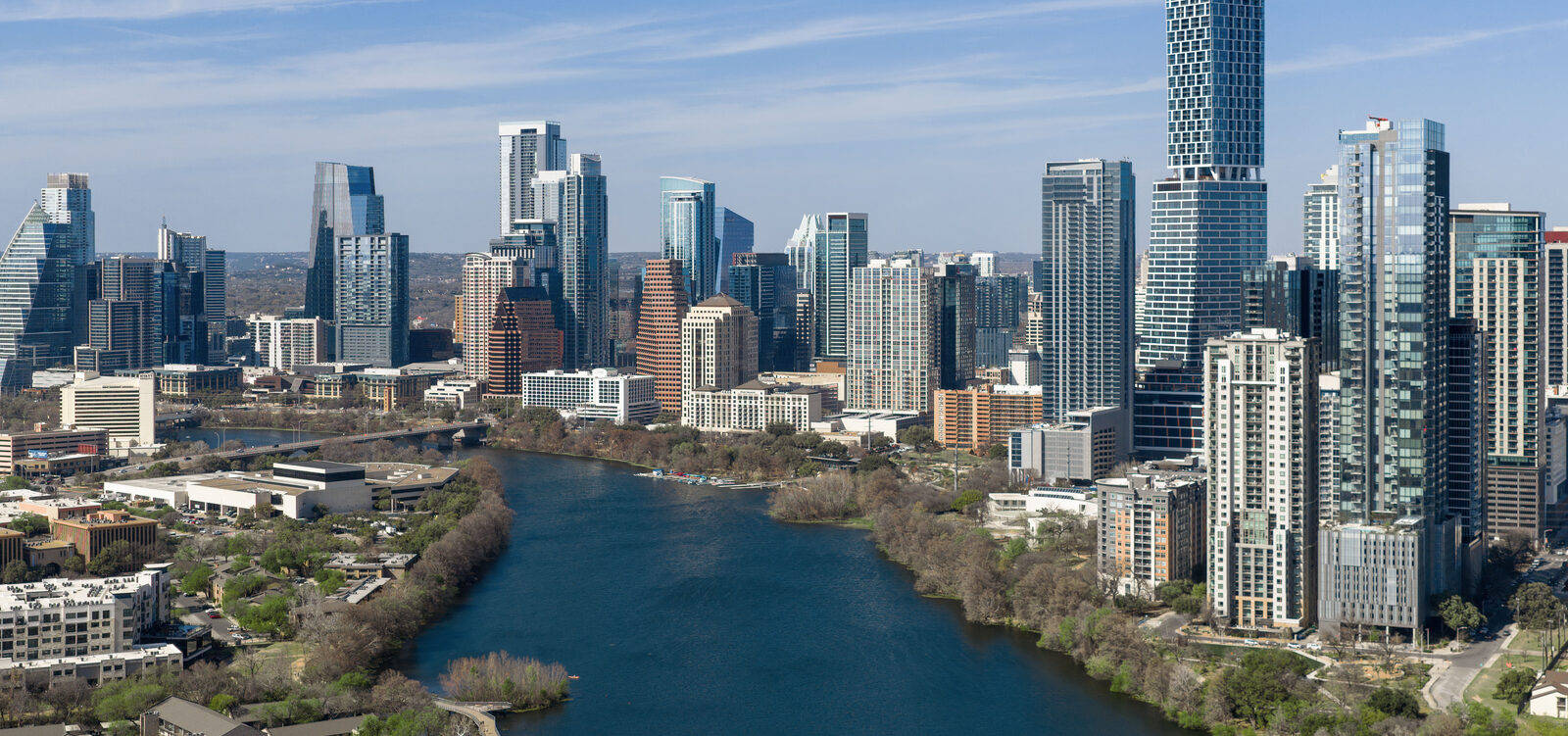
Austin skyline and Lady Bird Lake photographed in March 2026

    Photo: Quintin Soloviev, CC BY 4.0, via Wikimedia Commons (cropped for web display)

    Supreme Capital Business Brokers Austin · Downtown Austin

    Business Broker Downtown Austin

    Advice for Downtown Austin owners and buyers navigating a sale, acquisition, valuation, or future ownership transition.

    The decision in front of you

    Business Brokerage for Downtown Austin Owners and Buyers

    Downtown Austin mixes state government offices, corporate towers, residential buildings, and an entertainment district anchored by Sixth Street, the Warehouse District, and the Lady Bird Lake waterfront. That combination supports a wide range of businesses, from restaurants and bars serving the evening and convention trade, to professional and technology services located near the Capitol and the courthouse complex.

    An owner in Downtown Austin may be weighing a planned sale or evaluating an unsolicited offer, and needs to judge whether the price and terms reflect the business itself. Supreme Capital Business Brokers works through the financial performance, lease, staffing, and objectives so the decision is grounded in the business rather than a headline number. For a plain explanation of the role, see what a business broker does.

    Buyers looking at a Downtown Austin business are often acquiring an operation tied to daytime office and state government population, convention and festival traffic, or downtown residents, and each of those customer groups behaves differently across the week and the year.

    01 / Seller decision

    Selling a Business in Downtown Austin

    Preparing a company for market is more than setting a price. A buyer wants to understand how the earnings are produced and whether they continue after ownership changes. The business sale process is stronger when that story is documented before any outreach begins.

    In Downtown Austin, customer traffic is often a blend of weekday office and government workers, convention and event visitors, and residents from the area's high-rise buildings. Understanding which of those groups drives most of the revenue, and how that mix shifts with festival seasons and the convention calendar, helps explain the numbers to a buyer.

    Occupancy is a real consideration downtown, where retail and restaurant leases near Sixth Street and the entertainment district can carry significant rent and specific permitted use terms. A buyer needs to know whether the space, terms, and permitted use transfer on a sale. Our guide to preparing to sell a business covers the practical work involved.

    Government proximity brings its own considerations for professional service and vendor businesses that rely on Capitol, courthouse, or municipal relationships, since those referral sources and contracts need to be reviewed for how they transfer to a new owner.

    02 / Value in context

    Business Valuation in Downtown Austin

    Value comes from earnings a buyer can rely on. Earnings quality, recurring or repeat customer patterns, growth, owner dependence, staffing, lease terms, transferability, and industry risk all feed the analysis. Two Downtown Austin businesses with similar revenue can be worth different amounts when one depends heavily on a single customer segment and the other has a diversified base.

    Depending on size and structure, the relevant earnings measure may be profit, Seller's Discretionary Earnings, or EBITDA. A market based approach applies valuation multiples to that earnings measure rather than to revenue, which is why a multiple quoted in conversation rarely translates to a specific company.

    A Downtown Austin address does not add value on its own. It can support a business that benefits from dense daytime population or event tourism, but the analysis still rests on earnings and on whether the lease and customer relationships transfer. A business valuation prepared for a sale answers a different question from one prepared for a partner buyout or a financing conversation, and our guide works through those distinctions.

    Our Austin business valuation guide works through those distinctions in detail.

    Austin skyline and Lady Bird Lake photographed in March 2026

    A district shaped by more than one kind of customer

    A business downtown may serve state workers by day and concert crowds by night, and understanding that mix is part of understanding what the business is actually worth.

    Advisor and business owner reviewing transaction documents together

    03 / Buyer perspective

    Buying a Business in Downtown Austin

    A buyer acquires an operating system, not a set of historical results. The central question when buying a business in Downtown Austin is what produces the earnings and whether it survives the change of ownership.

    That means reconciling tax returns against financial statements, testing customer concentration across office, event, and resident segments, and understanding which employees carry the work. For a restaurant or retail operation near the entertainment district, weekday and weekend patterns, festival traffic, and occupancy cost deserve direct attention. The due diligence process confirms those answers with documents.

    Lease length, renewal rights, and assignment provisions can matter as much as the asking price given rents near the entertainment district and the Capitol corridor. Financing shapes the rest, and a buyer using an SBA 7(a) loan should expect lender requirements around the valuation, the lease term, and the structure. Our overview of financing a business purchase explains how that affects timing.

    04 / Beyond the immediate sale

    Multi Location and Event Driven Businesses

    Some Downtown Austin businesses operate more than one location, hold catering or event contracts tied to venues and festivals along the waterfront, or depend on relationships with nearby government offices. Deal structure, buyer outreach, negotiation, diligence, and coordination with legal and accounting advisors become closely connected in those situations.

    Selling a business

    05 / Place matters

    Around Downtown Austin

    Downtown Austin sits along Lady Bird Lake and includes the Texas State Capitol, the central business district, and the entertainment areas along Sixth Street and the Warehouse District. Zoning and permitted use are administered by the City of Austin, and for a location dependent business those rules and the lease are part of what a buyer is acquiring.
    Downtown Austin, Texas

    Texas State Capitol

    The seat of state government, anchoring a large daytime population of public employees and the businesses that serve them.

    View on map

    Lady Bird Lake Trail

    A hike-and-bike trail along Lady Bird Lake used by residents and visitors to the downtown waterfront.

    View on map

    Sixth Street Entertainment District

    A historic nightlife and live music corridor that drives evening and weekend revenue for bars, restaurants, and venues.

    View on map

    Austin Convention Center

    The convention center is closed for redevelopment. Nearby businesses should assess trading conditions during the closure rather than assume historical convention demand continues.

    View redevelopment information

    06 / The transaction

    How a Business Sale Typically Moves Forward

    Every transaction is different, but most follow a recognizable sequence from preparation through closing.

    1. 01

      Understand the business

      Review operations, financial performance, ownership structure, and seller objectives.

    2. 02

      Evaluate value and positioning

      Consider earnings, risks, strengths, marketability, and an appropriate pricing strategy.

    3. 03

      Prepare for market

      Organize financial information and transaction materials while deciding what can be shared and when.

    4. 04

      Confidential buyer outreach

      Present the opportunity carefully while protecting sensitive business information.

    5. 05

      Qualify buyers and evaluate offers

      Compare capability, financing, price, structure, contingencies, and other terms.

    6. 06

      Due diligence and closing

      Coordinate the information process after an accepted offer and work through the remaining transaction requirements.

    Questions owners ask

    Business Broker Downtown Austin FAQs

    Start with the facts

    Considering a Sale, Acquisition or Valuation?

    If you are evaluating a business decision in Downtown Austin, speak with Supreme Capital Business Brokers about the transaction and your objectives.

    (512) 598-8814

    Request a Confidential Business Valuation

    Tell us about your business and we'll contact you to discuss the valuation and the information needed to evaluate it.

    100% Confidential. Your inquiry is private and will never be shared.

    No obligation. Confidential consultation.

    Supreme Capital Business Brokers Austin

    Expert business brokers serving Austin, specializing in business acquisitions, sales and valuations. We provide professional business brokerage services throughout Downtown Austin, East Austin, Mueller, North Austin, and South Austin. Our brokers help business owners successfully buy and sell businesses in Central Texas.

    Service Areas: Downtown Austin, East Austin, Mueller, South Austin, North Austin, West Austin, Barton Hills, and all of Travis County.

    Contact Information

    Find Us

    © 2026 Supreme Capital Business Brokers Austin. All rights reserved.